Nursing Home Abuse Lawyer: Experienced Legal Support
Defending the Vulnerable: The Way an Elder Abuse Attorney Can Make a Difference
Elder abuse continues to be a serious concern affecting countless vulnerable individuals. Spotting the indicators can prove difficult for loved ones. An elder abuse attorney delivers vital support and direction. They navigate the complexities of the legal system, ensuring that victims receive the justice they deserve. Comprehending the role of these legal experts is crucial for families striving to defend their vulnerable family members. The next steps could be transformative.
Comprehending Elder Abuse: Forms and Warning Signs
Recognizing elder abuse is essential for understanding its multiple forms and the warning signs that come with them. Elder abuse may present itself in numerous forms, including physical, emotional, and financial abuse, as well as neglect. Physical abuse entails causing injury, such as striking or confining, while emotional abuse can involve verbal attacks or intimidation that damage an elder's sense of worth. Financial abuse often entails unauthorized use of an elder's funds or property, resulting in considerable monetary damage. Neglect, on the other hand, occurs when caregivers fail to provide essential care, leading to declining health or increased vulnerability. Indicators of elder abuse can encompass unexplained wounds, abrupt behavioral shifts, social isolation, and evidence of malnutrition or inadequate hygiene. Recognizing these indicators is crucial for intervention and protection, ensuring that vulnerable elders receive the care and respect they deserve. Awareness is the first step toward prevention and advocacy against elder abuse.
How an Abuse Lawyer Can Help Your Loved Ones
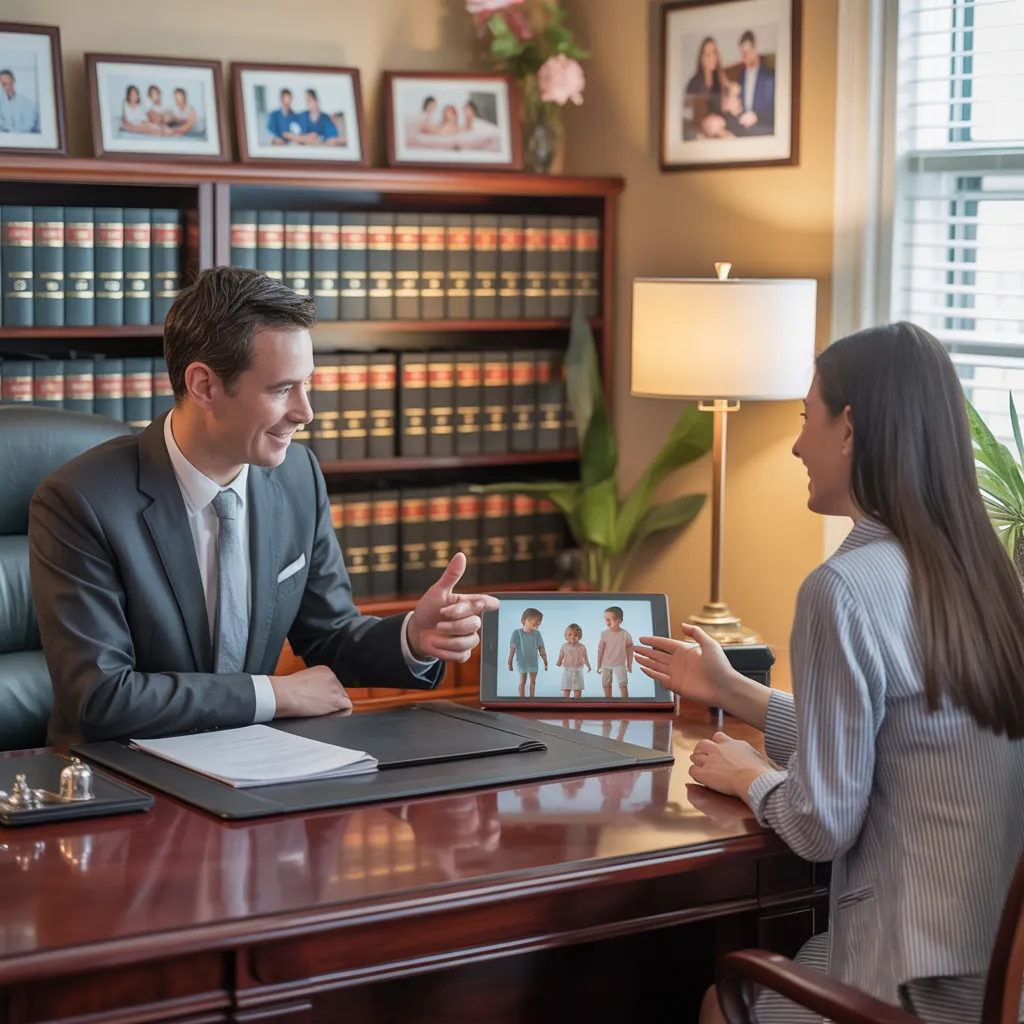
Dealing with the intricacies of elder abuse can be distressing for families. An elder abuse attorney plays a vital role in navigating this difficult terrain. They deliver specialized support, enabling families to grasp the legal consequences of elder abuse and the appropriate actions to shield their loved ones. By conducting thorough investigations, these lawyers gather important evidence to support claims and advocate for the rights of vulnerable individuals.
Moreover, an abuse lawyer offers emotional support, alleviating the weight of stress from grieving families during challenging times. They are also able to strengthen the lines of communication between loved ones and residential care facilities, guaranteeing that matters are dealt with swiftly and professionally. Through representing families in negotiations or mediations, these dedicated advocates endeavor to achieve fair outcomes and financial compensation for affected individuals. Ultimately, a skilled abuse attorney serves as an invaluable partner, empowering families to fight back against elder abuse and preserve their family members' overall welfare.
Legal Remedies Available to Elder Abuse Victims
Those who suffer from elder abuse encounter various forms of mistreatment, each of which demands tailored legal action. Understanding the types of elder abuse is vital for determining the appropriate steps to take. Additionally, becoming acquainted with the proper reporting channels can empower victims and their families to seek justice effectively.
Types of Elder Abuse
Elder abuse appears in a variety of forms, each presenting distinct challenges for those affected. Physical abuse involves the use of force, leading to injury or physical pain. Emotional abuse, frequently underestimated, involves verbal assaults and psychological manipulation, resulting in psychological damage. Financial exploitation happens when an elder's funds or assets are misused, often through deceit. Neglect represents another serious form, marked by the failure to deliver essential care, leaving elders vulnerable and suffering. Sexual abuse, though less frequently reported, proves equally destructive and involves acts without consent. Comprehending these categories of abuse is vital for identifying victims and making certain they access the appropriate legal support and protection. An elder abuse attorney plays a critical role in tackling these varied issues effectively.
An Overview of Reporting Procedures
Navigating the intricacies of reporting elder abuse can be overwhelming, yet understanding the process is vital for ensuring justice. Affected individuals or bystanders should first record the details of the abuse, including dates, times, and descriptions of incidents. Next, they can bring the matter to the attention of local authorities, such as adult protective services or local police. State-specific laws exist that mandate reporting, especially for professionals in caregiving roles. Seeking guidance from an abuse attorney can provide guidance on maneuvering the legal landscape, including exploring civil claims that may be pursued against perpetrators. Additionally, victims may explore protective orders or criminal charges. Becoming familiar with these processes not only empowers victims but also plays a critical role in preventing further abuse in at-risk communities.
How to Choose the Right Abuse Attorney for Your Family
Selecting the ideal elder abuse attorney for a family member facing elder abuse is essential. Important considerations to keep in mind include the attorney's background in elder abuse claims, their skill in convey empathy, and a proven track record of achieving positive outcomes. Such considerations can significantly impact the direction of the legal matter and the well-being of the victim.
Expertise in Elder Abuse Cases
How can families determine they are hiring the most experienced abuse lawyer when faced with elder abuse cases? Experience serves as a fundamental element in this selection process. Families ought to look for lawyers with a demonstrated history of success in elder abuse cases, as knowledge of the distinct legal complexities can greatly impact case outcomes. Families should ask about the attorney's past cases, focusing on their successes and the forms of elder abuse they have addressed, such as bodily, emotional, or financial mistreatment. Additionally, understanding the lawyer's approach to such nuanced situations can provide insight into their capability. By valuing experience, families can improve their likelihood of securing justice for their loved ones while ensuring that their case is managed with the utmost expertise.
Caring Communication Skills
In addition to experience compassionate communication skills are essential when selecting an attorney for elderly abuse situations. An attorney who can understand both the elderly victim and their family members builds a encouraging environment. This type of attorney actively listens, affirming emotions and worries while offering straightforward explanations of legal procedures. Such communication builds trust, helping families feel at ease disclosing private information. Furthermore, a caring lawyer helps handle the often intimidating legal landscape with care and compassion. This method not only eases the emotional burden on families but also improves the legal professional's effectiveness in advocacy. In the end, choosing an elder abuse attorney with excellent communication abilities can significantly influence the general outcome for those affected and their family members.
Verified Performance Record
A proven success record can considerably affect the choices families make when families seek an abuse lawyer for cases involving elder abuse. Loved ones frequently seek attorneys with a record of successful outcomes and delivering justice for their loved ones. Successful lawyers demonstrate not only their legal proficiency but also their commitment to advocating for those who cannot protect themselves. Metrics such as favorable settlements, trial victories, and client testimonials function as important benchmarks of an attorney's capability. Furthermore, a solid history of success can offer families peace of mind that their selected attorney possesses the essential abilities and background to handle challenging legal circumstances. In the end, choosing an attorney with a demonstrated history of success can greatly impact the results of elder abuse litigation, guaranteeing that victims receive justice.
Why Elder Abuse Victims Need Advocacy
Although many elder abuse victims remain silent due to fear or shame, advocacy serves a vital role in exposing their suffering. Advocates offer a powerful voice on behalf of these individuals, underscoring their rights and increasing public awareness of elder abuse. By bringing focus to the commonly neglected problems experienced by seniors, advocacy efforts help dismantle the stigma surrounding victimization.
Additionally, advocacy establishes more secure settings for older adults by pressing for legislative changes and enhanced protective measures. It fosters a spirit of community, encouraging victims to come thorough guide forward and obtain support. This assistance can result in greater reporting of abuse, which is crucial for detecting and tackling systemic challenges.
Ultimately, the efforts of victim advocates strengthens victims, giving them the resources and confidence needed to restore their independence. Their work not only assist with individual recovery but also contribute to a wider societal responsibility to safeguarding at-risk individuals against exploitation.
Important Resources for Families Confronting Elder Abuse
Families confronting elder abuse often feel overwhelmed and uncertain about the next steps to take. Reaching out to key resources can offer the guidance and support that is needed. Groups like the National Center on Elder Abuse (NCEA) provide comprehensive information, covering signs of abuse and methods to report incidents. Community adult protective services (APS) can aid in examining allegations and delivering prompt support.
Seeking legal help is crucial; working with an elder law attorney who focuses on abuse cases can provide clarity on rights and legal options. In addition, support groups available in-person and online, provide families with opportunities to connect with others in comparable situations, fostering a sense of community and shared understanding.
Support lines, such as the Elder Abuse Support Hotline, provide around-the-clock assistance, enabling families to seek help at any time. By utilizing these services, families can address the challenges of elder abuse more effectively, guaranteeing the health and safety of their elderly relatives.
Questions Our Clients Often Ask
What Are the monetary Costs of Retaining an Elder Abuse Attorney?
Hiring an elder abuse lawyer typically incurs costs ranging from $150 to $500 per hour, influenced by the legal professional's background and region. Some may offer contingency fees, charging a percentage of any recovered damages instead.
What Is the Typical Duration of the Legal Process for Elder Abuse Cases?
The judicial process for elder abuse claims typically spans several months to a few years, subject to how complex the case is, how cooperative the involved parties are, and the scheduling of the court. Every case differs significantly.
Can Elder Abuse Cases Be Pursued Without Physical Evidence?
That is correct, cases of elder abuse can be pursued without concrete physical evidence. Witness testimonies, financial documentation, and behavioral changes can help support allegations, permitting legal proceedings even in the absence of tangible proof of abuse, illustrating the complexity of such cases.
What Part Do Family Members Have in the Legal Process?
Relatives commonly function as essential witnesses in elder abuse situations, providing essential testimony and documentation. Their involvement can assist in establishing consistent patterns of conduct, strengthen claims, and stand up for the rights and well-being of the elder across the legal process.
Can Families Dealing With Elder Abuse Find Support Groups?
Yes, numerous support groups are available for families facing elder abuse, delivering emotional support, resources, and guidance. These organizations nurture a sense of togetherness, helping families navigate their challenges and exchange experiences in a secure and welcoming environment.